
June 11, 2026
Trying to choose between a home with history and a home with newer construction in Panama City? You are not alone. Many buyers love the charm and established feel of older neighborhoods, but they also want the peace of mind that can come with current-code construction and a simpler maintenance picture. The good news is that Panama City offers both, and understanding the tradeoffs can help you buy with more confidence. Let’s dive in.
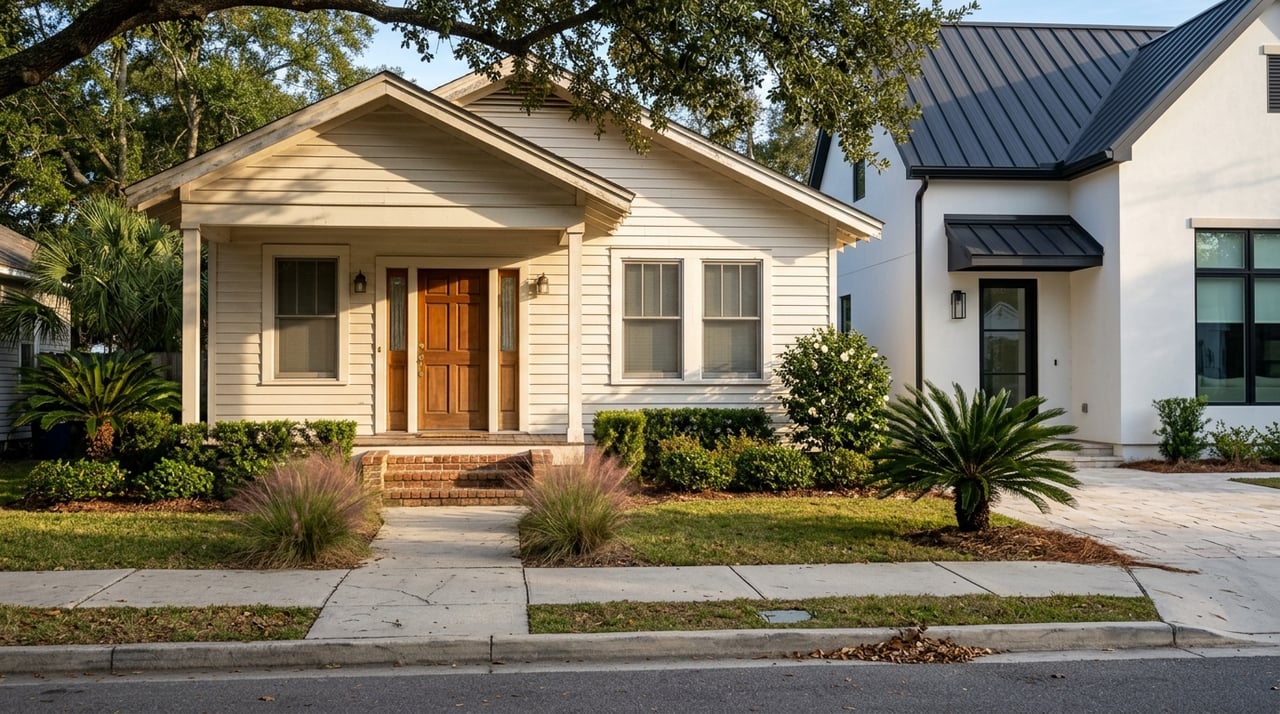
Panama City is not a one-style market. It has older areas with long local roots, along with newer planned development that gives buyers a very different living experience.
The city’s Community Redevelopment Area includes Downtown, St. Andrews, Downtown North, and Millville. Millville traces back to the late 1800s, St. Andrews is recognized by the city as a historic waterfront community, and Glenwood is part of the city’s arts-and-history programming through its historical district trail.
On the newer side, planned communities have added a different kind of housing stock. One of the clearest examples is SweetBay, which the city identifies as a 3,200-unit project on the former Panama City Airport site.
Older homes in Panama City can appeal to you if you want character, mature surroundings, and a neighborhood that feels established rather than newly built. In many cases, these areas grew gradually over time, which can create more variety in home styles, lot layouts, and street patterns.
The city’s 2024 neighborhood plan for Glenwood, Millville, and St. Andrews emphasizes complete neighborhoods, great streets, resilient open spaces and infrastructure, and a mix of uses. That helps explain why some older parts of Panama City may feel more connected and more walkable in daily life.
In St. Andrews, the city specifically calls for preserving the historic village character while allowing new buildings. In Millville, the plan includes a waterfront park, revitalized commercial areas, more affordable housing, and walkable streets.
Another local detail that can shape everyday living is golf-cart access. City-approved golf-cart streets include St. Andrews, Downtown, the Cove, Millville, Downtown North, Glenwood, and several other areas, which can be a meaningful quality-of-life factor depending on how you like to get around.
You may prefer an older home or historic-area property if you value:
That said, charm and history usually come with more variability. Two homes on the same street may have very different renovation histories, systems, and upkeep needs.
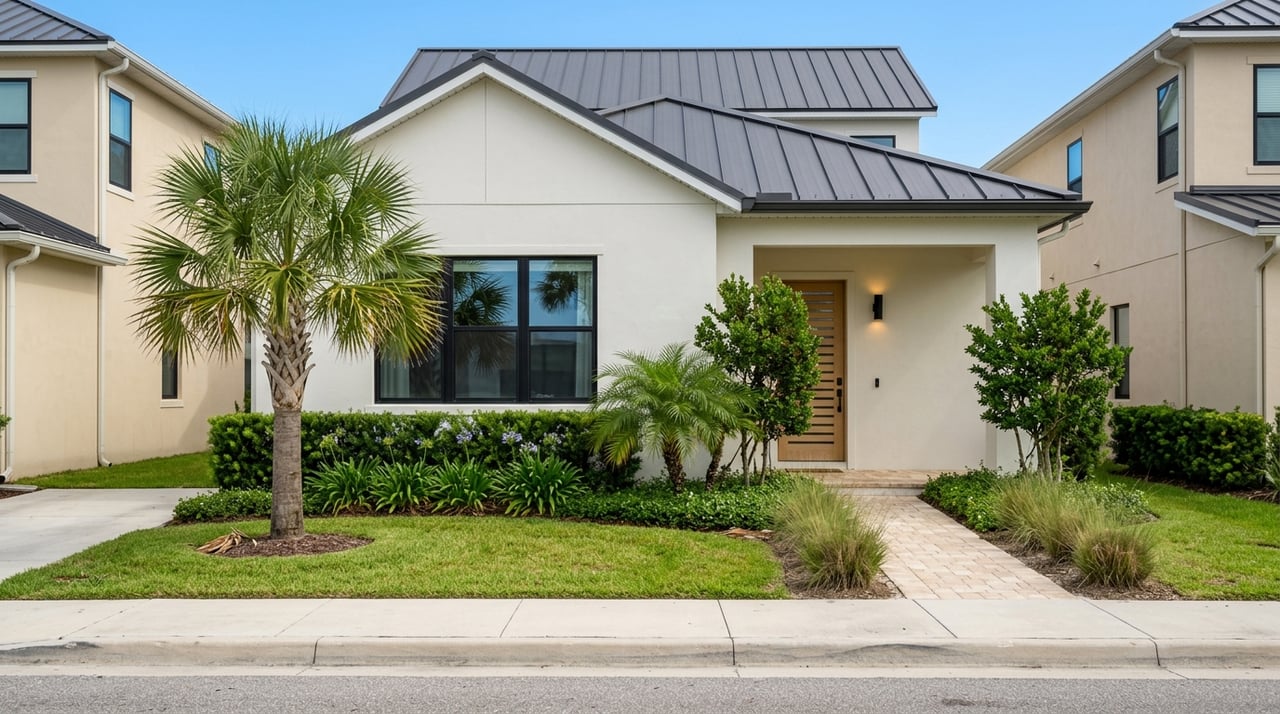
Newer homes usually attract buyers who want a more predictable ownership experience. If you like the idea of newer systems, clearer permit records, and homes built under current standards, a newer property may feel easier to evaluate.
Panama City Building Services states that the city enforces the Florida Building Code through plan review, permits, inspections, and certificates of occupancy. The city’s current state-adopted code reference is the 2023 Florida Building Code, 8th Edition.
That does not mean a newer home is automatically the better fit. It does mean newer construction often comes with a cleaner paper trail, especially when you compare homes side by side in a planned development.
You may lean toward a newer home if you want:
In a place like SweetBay, the planned-community setting may also appeal to buyers who want a more consistent neighborhood layout and a newer overall feel.
One of the biggest decision points is not style. It is maintenance.
Older homes often call for more careful due diligence on roof age, plumbing, drainage, and past repairs. This is especially important in areas where infrastructure upgrades have been ongoing or where homes have been updated in phases over many years.
Panama City lists infrastructure work such as septic-to-sewer conversion in Pretty Bayou and Kings Point, along with a full rebuild of water, sewer, stormwater, curbs, gutters, and roads in Millville after Hurricane Michael. Those projects show why neighborhood-level infrastructure should be part of your home search, especially when you are comparing older areas.
For historic neighborhoods, the city’s rebuild guide adds another key point. Residents may rebuild on the prior footprint in qualifying areas, but the new home must meet current building codes. If flood conditions apply, an elevation certificate may also be required.
If you are considering an older home in Panama City, pay close attention to:
It is easy to assume older homes cost less and newer homes cost more. In Panama City, the reality is more nuanced.
As of April 2026, market snapshots showed Panama City with a median sale price of about $299,000 and a median listing price of about $329,900. In the same period, Old Town showed a median sale price around $225,000, while SweetBay showed a median sale price around $484,820 and a median listing price around $575,000.
Those numbers suggest that age is only part of the story. Location, lot characteristics, neighborhood setting, condition, and flood exposure can all affect value in a major way.
If you are comparing an older home to a newer one, focus less on age alone and more on what you are actually getting for the price. A lower purchase price on an older home may still require near-term spending on repairs or upgrades. A newer home may cost more upfront but offer fewer immediate surprises.
In Panama City, flood review is not optional. It should be one of the first things you check, whether the home is historic, mid-century, or newly built.
Bay County explains that Special Flood Hazard Areas include A, AE, and V zones. The county also states that it participates in the National Flood Insurance Program and that homeowners insurance does not cover flood damage.
Panama City also tells buyers to check the city floodplain ordinance before buying property. This is especially important when comparing older waterfront-adjacent areas, historic neighborhoods, and newer coastal-influenced development.
Before you move too far into a purchase, ask about:
Permit history matters in any market, but it becomes especially important when you are looking at older homes with additions, major updates, or storm-related repairs.
Panama City’s Building Services division handles plan review, permits, inspections, and certificates of occupancy. Planning and Zoning also reviews development orders and permits for single-family homes, renovations, seawalls, and other work.
For buyers, that means paperwork can tell an important story. A home may look beautifully updated, but you still want to confirm what work was done and whether final approvals were issued.
When comparing historic and newer homes, make sure you review:
Florida’s Office of Insurance Regulation states that the standardized wind-mitigation form, OIR-B1-1802, is valid for up to five years if no material changes have been made to the structure. In a coastal market like Panama City, that can be a useful part of your review.
The right choice depends on what you want your day-to-day life and long-term ownership experience to look like.
If you are drawn to established surroundings, unique homes, and a stronger sense of historic place, an older Panama City home may be the better match. If you want a more predictable condition profile, current-code construction, and a simpler comparison process, newer homes may feel like the clearer path.
A practical way to decide is to rank your priorities before you tour too many homes. Think about budget, maintenance tolerance, flood-risk comfort, neighborhood layout, and how much variation you are willing to evaluate from one property to the next.
| Factor | Older or Historic Homes | Newer Homes |
|---|---|---|
| Neighborhood feel | Established, varied, place-driven | Planned, more uniform |
| Home condition | Can vary widely | Often more predictable |
| Permit history | May need deeper review | Usually cleaner to review |
| Maintenance outlook | Often higher due diligence | Often fewer immediate concerns |
| Price positioning | May offer lower entry in some areas | Often higher in planned communities |
| Flood and wind review | Still essential | Still essential |
In the end, there is no one-size-fits-all answer in Panama City. The best home for you is the one that fits your goals, your budget, and your comfort level with maintenance and risk.
If you want help weighing older neighborhood charm against newer construction convenience, Coastal Heritage Realty can help you compare options with clear local insight and responsive, broker-led guidance.
Buying or selling a home is a major milestone, and you deserve a team that truly listens and understands your needs. We take a personalized approach to every client, ensuring that your experience is smooth, stress-free, and successful.