
July 23, 2026
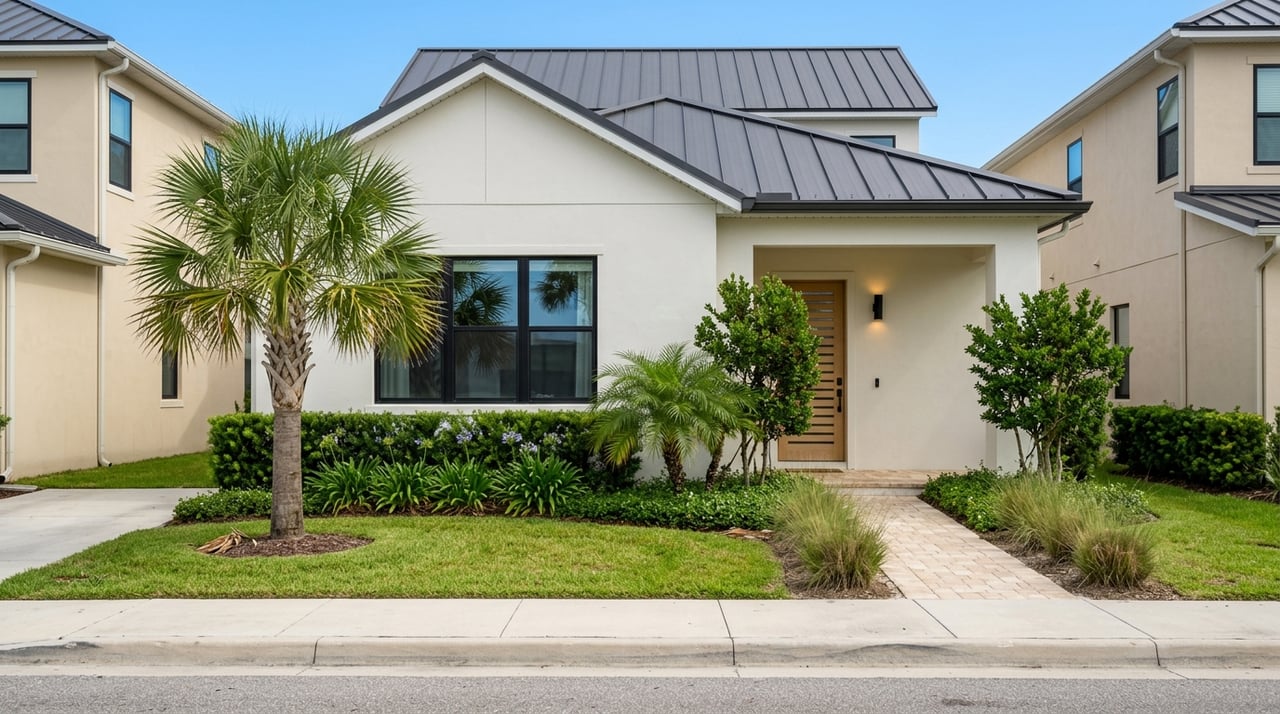
Looking for Emerald Coast access without living in the middle of beach traffic? Freeport has become a go-to option for buyers who want room to spread out, newer neighborhoods, and practical access to 30A, Santa Rosa Beach, and Destin. If you are wondering what daily life here really feels like, this guide will walk you through Freeport’s growth, location, housing mix, and lifestyle advantages. Let’s dive in.
Freeport is still a relatively small city, but it is growing fast. The U.S. Census Bureau estimates its population at 7,543 as of July 1, 2025, up from 5,861 in the 2020 Census. That growth shows up on the ground in new neighborhoods, new housing types, and city planning focused on keeping up with demand.
At the same time, Freeport still feels more residential than resort-driven. The city has a 71.8% owner-occupancy rate, which points to a market shaped largely by full-time homeowners rather than short-term visitor activity. If you want a home base that feels rooted and lived-in, that matters.
One of Freeport’s biggest draws is its position. You are close enough to enjoy the Emerald Coast, but outside the highest-density beach corridor that defines much of 30A. That balance is a big reason buyers keep Freeport on their radar.
Approximate drive times help set expectations. Santa Rosa Beach is roughly a 22-minute drive from Freeport, while Destin is about a 38-minute drive. Your exact timing will vary based on where you live in Freeport, where you are headed, and traffic conditions.
Much of Freeport’s growth is organized around the US 331 corridor. City development standards for the 331 North Corridor call for service roads, transit stops, multimodal paths, and landscaped buffers. In practical terms, that helps explain why parts of Freeport feel more like a planned suburban growth area than a beach strip.
That setup can work well if you want to be connected to the coast without being surrounded by resort-style density every day. You can make beach days, dining trips, or shopping runs part of your routine while coming home to a more residential setting.
Freeport tends to appeal to buyers who want a year-round lifestyle instead of a vacation-corridor atmosphere. The city’s 2025 State of the City address notes ongoing growth in new homes, apartments, and townhomes, along with city attention on traffic, wastewater, parks, and recreation. That tells you Freeport is not standing still.
The day-to-day rhythm here is shaped by work, school, errands, and outdoor time more than tourism. Walton County curbside collection service covers the City of Freeport, with an exception for the Bunker/Steelfield area. Small details like that may not sound exciting, but they matter when you are choosing a place to live full-time.
If you work from home, Freeport has a few useful indicators in its favor. Census data shows broadband subscription at 96.4% and computer ownership at 98.9%. Those numbers suggest strong household connectivity, which is an important part of evaluating a home base today.
Freeport also reflects a regional commuting pattern. The mean travel time to work is 37.3 minutes, which suggests many residents drive to nearby job centers while others may split time between home and office. If you want flexibility, Freeport can fit that kind of schedule.
Freeport is especially appealing if your version of coastal living includes boats, paddling, fishing, and parks. Instead of relying only on beach access, you have several local options for getting on the water or spending time outside. That gives the area a more practical, everyday outdoor lifestyle.
Walton County lists several park facilities in and around Freeport. Alaqua Park includes a boat ramp, picnic tables, and restrooms. Grady Brown Park offers boat and canoe access plus fishing, while Choctaw Beach Park includes boat and canoe access along with a playground.
Thomas Pilcher Park is another standout, with four boat ramps, a fishing pier, docks, and fishing platforms. Portland Park Landing also adds boat and canoe access. If boating or fishing is high on your list, Freeport offers meaningful convenience.
Beyond town, you are also close to larger outdoor destinations. Eden Gardens State Park in Santa Rosa Beach spans 163 acres and offers hiking, paddling, picnicking, fishing, a nature trail, and historic gardens. Point Washington State Forest, about 9 miles south of Freeport on US 98, is used for hiking, biking, hunting, and broader outdoor recreation.
For many buyers, that is the appeal in a nutshell. You can enjoy the Emerald Coast lifestyle in a way that feels active and grounded, not just seasonal.
Freeport’s housing mix is broader than some buyers expect. While single-family homes remain a big part of the market, the city also includes townhomes, apartments, and age-restricted options. That variety can help if you are looking for a first home, move-up property, lower-maintenance setup, or lifestyle-specific community.
City permit and planning documents identify communities and subdivisions including Hammock Bay, Canopies, Ashton Park, Verandas, Lafayette Creek Landing, Cross Creek Estates, Grand Oaks Estates, Hammock Oaks Estates, and Magnolia at The Bluffs. That list gives you a good sense of how much of Freeport’s housing stock is tied to newer planned development.
Hammock Bay is one of the clearest examples of the Freeport model. It is described as a 3,000-acre bayfront master-planned residential community with trails, pools, tennis and pickleball courts, a clubhouse, a sports complex, and year-round social events. The community development district states that Hammock Bay was approved for more than 6,000 residential units.
NatureView is another major planned community in Freeport. Its developer describes it as a 792-homesite master-planned neighborhood with forest trails and resort-style amenities. Together, communities like these help define Freeport’s newer-home appeal.
Freeport is not limited to traditional single-family neighborhoods. City council minutes show Verandas Phase II being revised into 97 townhomes, which reflects growing demand for different housing types. The city’s own public comments about new homes, apartments, and townhomes support that broader picture.
There are also age-restricted options in the local mix. Riverwalk Landing is marketed as a 55+ mobile-home resort community with cottage rentals and RV sites. For buyers who want lower-maintenance living or a community tailored to a certain stage of life, that adds another layer of choice.
For buyers planning around public schools, Freeport has a compact local footprint. Freeport Elementary serves pre-K through 4th grade, Freeport Middle serves grades 5 through 8 and moved into a new building in 2024, and Freeport High School’s current campus was constructed in 2001. That structure can be helpful when you are narrowing down where to live.
It is still smart to verify school assignment and capacity as part of your home search. Walton County’s controlled open enrollment information shows that capacity can change over time. If schools are an important part of your decision, confirm the latest details before you make a move.
Freeport tends to make sense if you want access to the Emerald Coast without paying for or living inside the busiest beach setting every day. You may appreciate it if you value a more residential feel, planned neighborhoods, and outdoor recreation that goes beyond the beach. It can also be a strong option if you need a home base with room for commuting, remote work, or both.
The city’s median household income is $91,985, and the median home value is $407,800. Those numbers do not tell the whole story, but they help frame Freeport as an active residential market with meaningful buyer interest. In a fast-growing area, that kind of context is useful when you compare locations.
If you are weighing Freeport against 30A, Santa Rosa Beach, Destin, or other Emerald Coast communities, the real question is lifestyle fit. Do you want to be in the middle of the resort corridor, or do you want easy access to it while living somewhere that feels more grounded day to day? For many buyers, Freeport answers that question well.
If you want help comparing neighborhoods, planned communities, or available homes in Freeport, the team at Coastal Heritage Realty can guide you with local insight and responsive, full-service support.

Buying or selling a home is a major milestone, and you deserve a team that truly listens and understands your needs. We take a personalized approach to every client, ensuring that your experience is smooth, stress-free, and successful.