
July 9, 2026
Trying to choose between a beachfront condo and a villa in Miramar Beach can feel simple at first, until you realize those labels do not always tell you how the property actually works. You may be comparing beach access, rental potential, upkeep, privacy, and ownership rules all at once. The good news is that a smart decision usually comes down to a few practical questions. Let’s break it down.
In Miramar Beach, resort communities often group several property types together. Local resort marketing in places like Sandestin and TOPS'L includes condominiums, villas, townhomes, towers, and other lodging styles within the same broader community.
That matters because the word villa does not automatically mean you own and maintain the property like a detached house. In Florida, a condominium unit is a separate parcel that also includes an undivided share in the common elements. A homeowners’ association, on the other hand, governs parcels in a mandatory-membership community, and the common area may be owned, leased, or set aside for association use or maintenance.
The key takeaway is simple: the label tells you less than the legal documents do. Before you assume anything about maintenance, rental flexibility, or ownership rights, you should review the declaration, plat, and governing documents.
A beachfront condo in Miramar Beach often appeals to buyers who want direct Gulf access, strong view potential, and easier day-to-day upkeep. Local beachfront towers are commonly marketed around panoramic water views, beachfront pools, and direct beach access.
That setup can be especially attractive if you want a second home that feels easy to lock and leave. Since condo associations are responsible for maintaining the common elements they oversee, many buyers see condos as a more streamlined ownership experience.
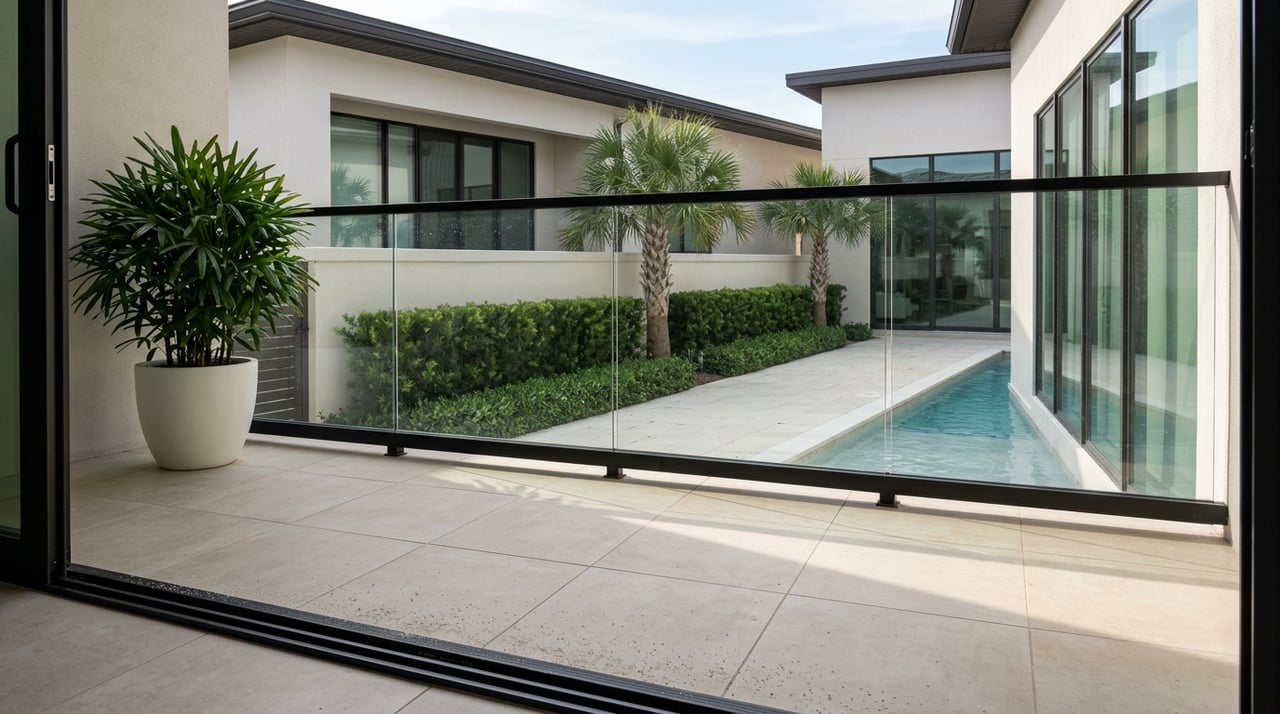
A villa or townhome often appeals to buyers who want more interior space and a layout that feels more like a private residence. In local resort examples, villa and townhome properties are often described with full kitchens, dining areas, spacious living rooms, and private porches.
That can make them a strong fit if you picture longer stays, family trips, or a little more separation between living spaces. You may give up some of the right-on-the-sand feel, but you may gain room to spread out.
One of the biggest differences between a condo and a villa is how maintenance responsibilities are split. In Florida, condo associations are responsible for maintenance, repair, and replacement of the property they oversee, though declarations can assign some duties or costs differently.
HOA communities also collect assessments and handle shared obligations, but the exact split depends on the recorded declaration and the association budget. Florida law requires HOAs to maintain official records and annual budgets, including documents tied to property the association must maintain or replace.
For you as a buyer, that means the monthly or annual cost is only part of the story. You should also look at what those dues cover, how reserves are handled, whether recent assessments were issued, and whether any exterior renovation work has already been announced.
Before choosing between a condo and a villa, ask to review:
Those details often tell you more than the brochure does.
If you are deciding based on how you want to live in the property, the difference usually becomes clearer. Beachfront condos in Miramar Beach often win on immediate beach access and amenity concentration.
Villas and townhomes often offer a more residential layout with a little more breathing room. Depending on the community, that can mean a quieter feel, easier separation of bedrooms and living areas, and outdoor spaces like porches or patios.
Walkability is an important part of this decision because a property does not have to sit directly on the sand to feel connected to the beach. Walton County notes that there are more than 50 beach and bay access points, and wet-sand walking is allowed along the county’s full 26 miles of beach.
The county also explains that neighborhood access points are mainly designed for walk-up traffic, while regional access points may include parking, restrooms, showers, bike racks, and seasonal lifeguards. Miramar Beach Regional Beach Access and Scenic Gulf Drive Regional Beach Access both list ADA boardwalks and parking.
That means a villa or townhome that is not directly beachfront may still offer a convenient beach routine, especially if it sits near a strong public or community access point.
If a listing mentions private deeded access, slow down and verify exactly what that means. You should confirm whether those rights transfer with the property and whether the access is tied to an association, a resort program, or a specific parcel.
This is especially important in Miramar Beach, where access can shape both lifestyle and rental appeal.
If you plan to rent the property, even part time, the condo versus villa question is really a rental rules question. Florida allows both condo and HOA governing documents to regulate rentals, but the details and timing of those restrictions matter.
For HOAs, post-2021 rental restrictions generally apply only to later purchasers or owners who consent, though associations may still ban leases under six months or limit a parcel to three rentals per calendar year. For condos, amendments that prohibit renting, shorten lease terms, or cap rental frequency generally apply only to owners who consent or acquire title after the amendment takes effect.
So before you focus on projected income, ask the practical questions first.
These questions often matter more than whether the property is marketed as a condo or villa.
In Walton County, transient rentals for terms of six months or less are subject to several taxes. According to the Florida Department of Revenue, those stays are subject to the 6% state sales tax, any applicable discretionary surtax, and Walton County’s 5% local option transient rental tax for ZIP codes including 32550 and 32459.
If you are buying with investment goals in mind, this should be part of your planning from the start. Rental performance is not only about occupancy and nightly rates. It is also about the rules, the cost structure, and how simple the operation will be.
Some Miramar Beach communities offer services that can make ownership and rental management easier. Sandestin notes tram stops at beach access points and across several neighborhoods, while TOPS'L advertises on-site management and 24/7 support.
For a remote buyer or investor, that kind of built-in infrastructure can be a meaningful advantage. A condo or villa with the right support system may be more practical than a property that looks great on paper but is harder to operate.
If your top priority is maximum beach proximity, strong views, and a more lock-and-leave ownership style, a beachfront condo will often be the better fit. If your top priority is more interior space, a more private outdoor feel, and a layout that works well for longer stays, a villa or townhome may serve you better.
If your top priority is investment performance, avoid making the decision based on property label alone. In Miramar Beach, results usually come from the combination of rental rules, taxes, on-site support, parking, amenities, and real beach connectivity.
The clearest way to think about it is this: beachfront answers the location question, but the declaration answers the ownership question.
If you want help comparing Miramar Beach condos, villas, or townhome-style properties with your lifestyle or investment goals in mind, Coastal Heritage Realty can help you sort through the details with clear, broker-led guidance.

Buying or selling a home is a major milestone, and you deserve a team that truly listens and understands your needs. We take a personalized approach to every client, ensuring that your experience is smooth, stress-free, and successful.