
February 5, 2026
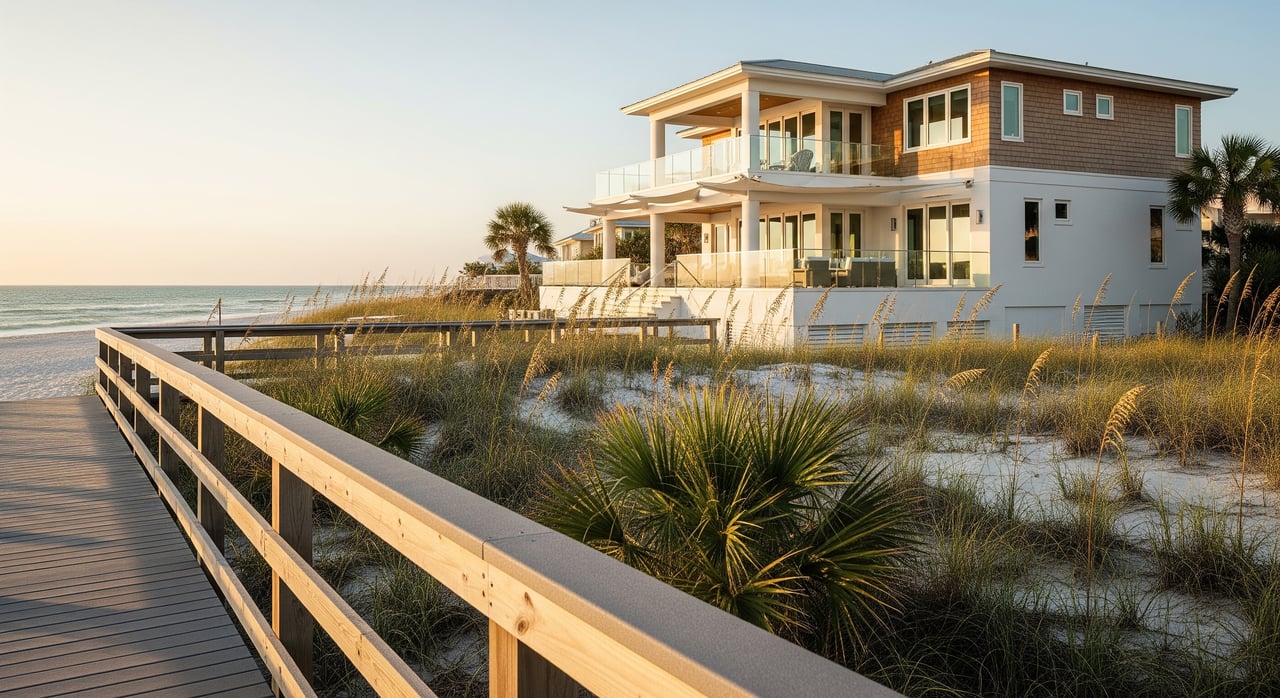
Imagine stepping onto powder-soft sand before your morning coffee and watching emerald-green water glow under the sun. If you’re considering a home in 32541, Okaloosa Island offers that beach-first lifestyle with a relaxed pace and a practical side you should understand. You want the real story on day-to-day living, housing options, seasonality, and what to budget for coastal ownership. This guide gives you a clear picture and a smart checklist so you can decide with confidence. Let’s dive in.
Okaloosa Island is a barrier island on Florida’s Emerald Coast, tucked between the Gulf of Mexico and bayside waters. Causeways connect you to the mainland, keeping island traffic calmer than big arterial roads yet busier in peak season. The setting is famous for white sand and green-blue Gulf water, which drives both tourism and a year-round community.
ZIP code 32541 includes the island and nearby Fort Walton Beach areas. The island’s skyline is mostly mid-rise condo buildings and townhomes, many with direct beach access. You’ll find a blend of vacation-friendly amenities and pockets that feel residential, especially on the bayside.
Beach time is the daily rhythm here. You can swim, walk the shoreline, paddleboard, kayak, or head out for nearshore fishing. Public beach access points are common, and many condo communities provide private or semi-private access. You will also find fishing piers, boat ramps, marinas, and plenty of opportunities for shelling and birdwatching.
Nearby parks and green spaces give you picnic spots and room to unplug. If you like simple routines with water in the background, the island makes it easy to build them into your day.
Restaurants lean seafood and casual coastal, with a few upscale waterfront options. For broader dining, big-box retail, and specialty shopping, most residents pop over to Fort Walton Beach or Destin. You can take care of basics close by, then cross the bridge for bigger errands and appointments.
Nightlife is mellow compared to larger tourist hubs. Expect bars, live music, and seasonal events that ramp up in spring and summer. For theaters, cultural programs, and larger venues, you’ll find more variety on the mainland and in neighboring Destin.
Late spring and summer are peak months. Beaches, restaurants, and parking are busiest, and you’ll feel the pulse of visitors. If you plan to rent your property, expect higher demand and rates in these months.
Fall and winter are quieter, with milder weather and a relaxed pace many full-time residents and retirees enjoy. Some businesses reduce hours in the off-season. If you want easy beach days without the buzz, those months will likely be your favorite.
Condos dominate Gulf-front locations, ranging from older low-rise and mid-rise buildings to newer developments. Amenities, building age, and flood elevation vary, which can affect both costs and comfort. Townhomes and a limited number of single-family homes appear more often on the bay side and in small pockets.
A high share of units are rented seasonally or weekly. Some buildings lean full-time residential, while others are more rental-oriented. If you want a quieter feel, focus on buildings and streets with more year-round residents.
Gulf-front living gives you direct beach access, panoramic views, and strong rental potential. It also brings more seasonal noise and activity during peak months. Bayside and interior areas are typically calmer and can offer easier boat access to sheltered waterways.
Choose based on how you plan to use the property. If you prize rental income and sunrise-to-sunset Gulf views, Gulf-front may be worth the premium. If you want a steadier, residential feel, the bayside can be a great fit.
Most condos and many townhomes are governed by associations. Expect rules about common areas, exterior changes, parking, pets, and maintenance assessments. Fees vary based on building age and amenities like pools, elevators, and beach walkovers.
Short-term rental rules depend on local regulations and building covenants. Many coastal buildings allow weekly rentals, while others restrict or prohibit them. If rental income is part of your plan, verify association rules, local licensing, occupancy taxes, and parking requirements before you commit. For older coastal condos, review reserve funding and past maintenance to understand any special assessment risk.
The Florida Panhandle is in the hurricane zone. You should be ready for hurricane season from June to November, including evacuation planning and storm prep. Building elevation and modern wind standards can influence risk and peace of mind.
Barrier islands often fall within FEMA flood zones, including higher-risk designations like A, AE, or V in some locations. Flood maps shift over time. A current flood zone lookup and an elevation certificate help clarify insurance needs and underwriting. Even outside high-risk zones, many owners still choose flood insurance.
Coastal properties typically see higher premiums for wind and hurricane coverage. Separate windstorm policies may apply depending on insurer availability and market conditions. If a property is in a Special Flood Hazard Area, flood insurance is required with federally backed loans.
Plan for ongoing maintenance in a salt-air environment. Exterior metal and finishes can corrode faster, which is why condo association fees often cover significant upkeep. Older buildings can carry a higher chance of special assessments if reserves are not fully funded. Build a budget that reflects insurance, HOA fees, and periodic capital projects.
Most developed areas have municipal or consolidated water and sewer. Power lines may be overhead, and outages can occur during storms. Internet and cell service are available from multiple providers, though speed and reliability can vary by building and carrier. If you work remotely, test speeds and ask for building-specific provider options.
Parking can tighten in peak season, and street parking is limited in residential zones. If you are buying a condo, review guest parking rules and how the building manages busy weekends and holidays.
Many residents work on the island or in nearby tourism and service roles. Others commute to Fort Walton Beach or Destin. Military personnel and civilian contractors often choose the island for its access to Eglin Air Force Base and Hurlburt Field.
For travel beyond the immediate area, the region is served by a nearby commercial airport. If frequent travel is part of your lifestyle, factor airport access and seasonal traffic into your routine.
The Okaloosa County School District serves the area, and specific school assignments depend on the property address. If schools are important to your decision, confirm current zoning and available programs as you evaluate homes.
Hospitals and specialty clinics are on the mainland. Island emergency services route to nearby facilities in the Fort Walton Beach and Destin area. Public safety is provided by county or municipal services, and call volumes typically rise during peak tourism months. For address-specific data, consult local resources and crime mapping.
Investors and second-home buyers are drawn to direct beach access, strong summer demand, and view-driven premiums. They prioritize rental policies, guest parking, and association health. Many look for buildings with efficient operations and clear rules.
If you want simplicity, walkable beach days, and low-maintenance living, the island aligns well. You will value quieter off-season months, elevator access, and a friendly community feel. Proximity to medical services on the mainland is also a common priority.
Military households and contractors often choose the island for access to nearby bases and quality of life. Local service and hospitality workers may prefer inland units or the mainland for value, with the island as a convenient commute.
If a beach-centered routine and a relaxed coastal community sound like your style, Okaloosa Island is worth a closer look. Whether you want a Gulf-front income property or a quiet bayside retreat, you deserve confident, data-backed guidance and smooth execution from first tour to closing.
For local insights, private previews, and broker-level advisory tailored to your goals, connect with the team at Coastal Heritage Realty. We offer video walkthroughs for remote buyers, VIP and off-market access, and the white-glove coordination you expect. Schedule Your Complimentary Consultation.

Buying or selling a home is a major milestone, and you deserve a team that truly listens and understands your needs. We take a personalized approach to every client, ensuring that your experience is smooth, stress-free, and successful.